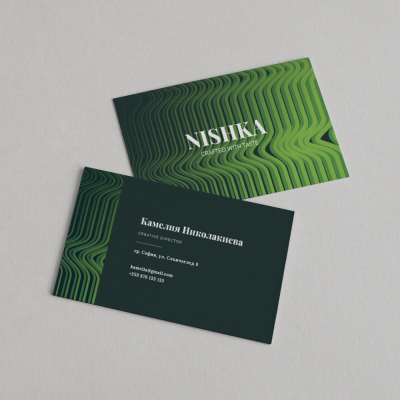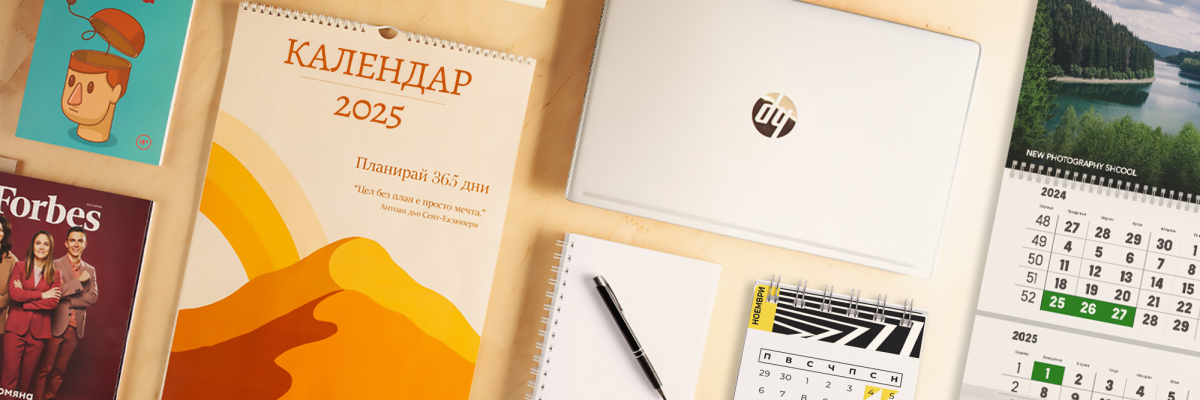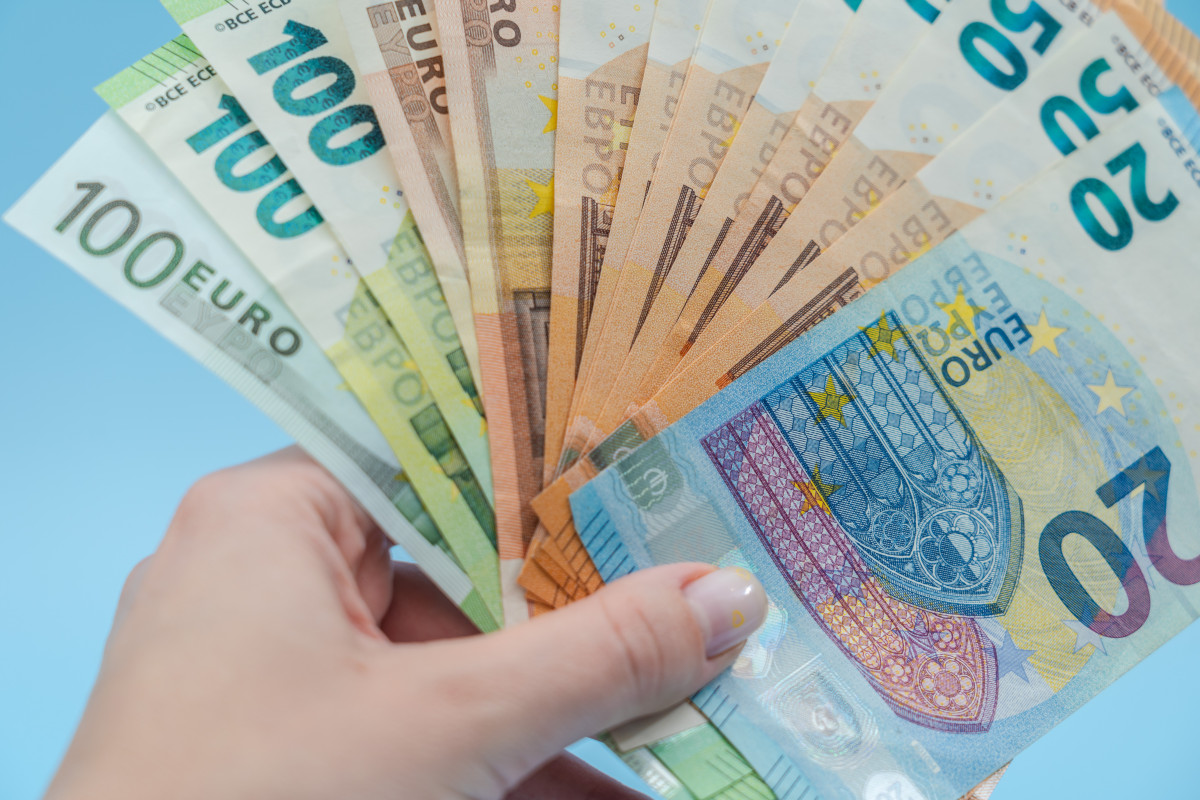
Timely preparation is not just a recommendation — it is a necessity that will determine how smoothly your business will pass through this historic change.
The currency change affects all visual and printed materials that contain prices. This means restaurants must update their menus, stores must revise price lists, and all retailers must adjust their advertising materials. Good planning can turn this challenge into a smooth transition, while delays may lead to customer confusion and lost sales.
Preparation and Planning
The first step is accurately calculating the new prices in euros. With the official exchange rate of 1.95583 BGN per 1 EUR, many prices will result in long decimal values. This raises the important issue of rounding — it is recommended to round to the nearest practical payment amount while avoiding significant price increases. For example, a product priced at 5.90 BGN (3.02 EUR) can be adjusted to 2.99 or 3.00 EUR.
During the transition period, dual pricing is mandatory — displaying prices in both BGN and EUR — which helps customers and builds trust.
Menus and Price Lists
Menus are the business card of every restaurant and require special attention when being updated. If you use digital menus or QR code systems, you have the advantage of instant updates without printing costs. For traditional printed menus, consider using inserts or stickers during the transition period before investing in completely new menus.
Store price lists require a systematic approach. Prepare new labels for all products using a unified design that clearly displays both currencies. Modern digital price display solutions can be updated centrally, saving significant time and effort.
Advertising Materials
Promotional stands and shelving systems in your stores must reflect the new prices. Create templates that can easily be reprinted when changes are needed. Use replaceable panels instead of permanently attached graphics to simplify future updates.
Flyers and promotional materials are particularly sensitive because they are often printed in large quantities. Carefully plan your campaigns around the transition period and avoid printing large volumes with BGN prices shortly before the change. Instead, focus on percentage discounts or general promotional messaging.
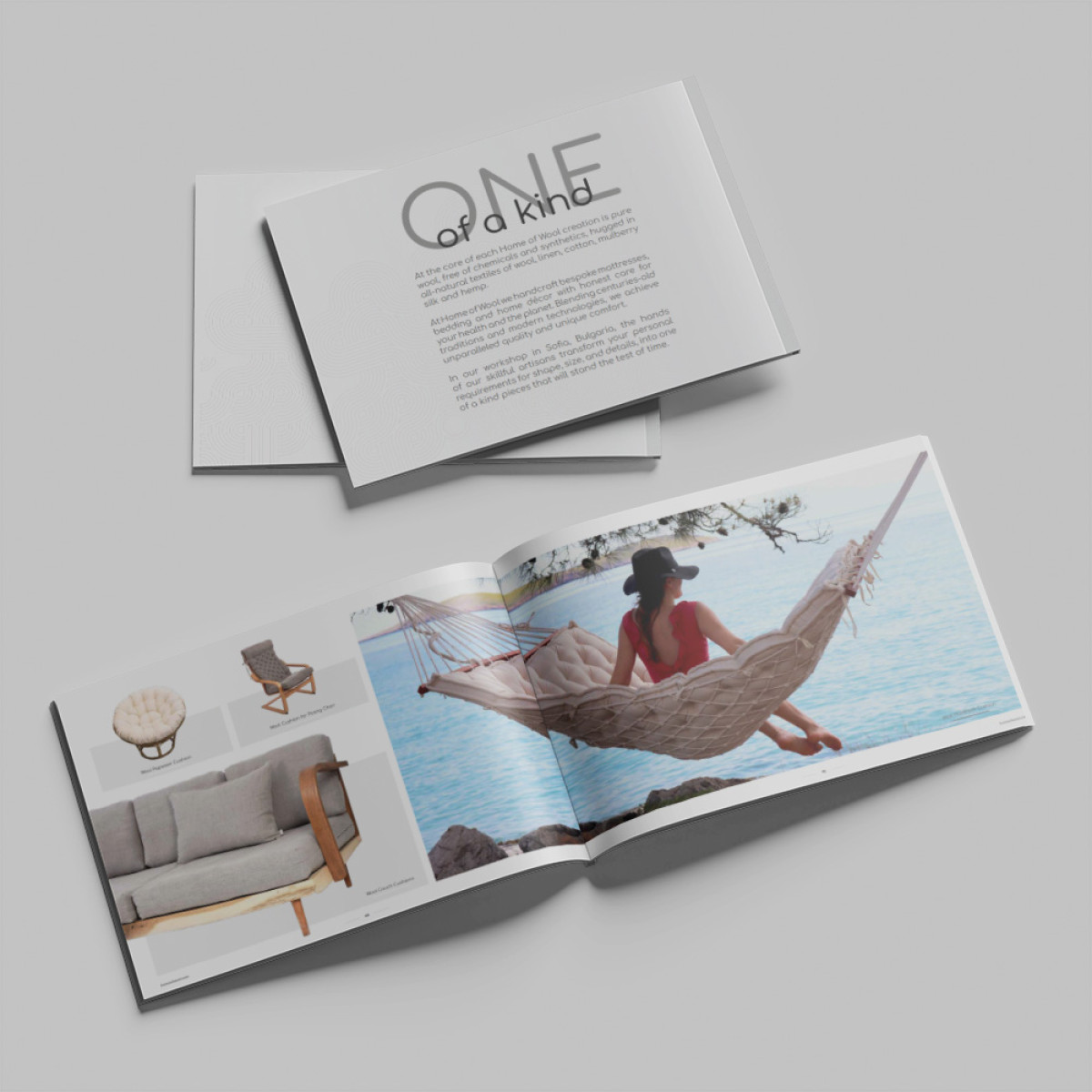
Catalogs require the longest preparation time due to their volume. If you use annual catalogs, consider publishing a supplement or an online version with updated prices. For digital catalogs, updates are much faster and more cost-effective.
Practical Tips for a Fast Transition
Prepare standardized templates for all types of materials before the official transition date. This allows you to simply insert the new prices and proceed immediately with printing. Work with a reliable printing partner that can meet your deadlines and production volumes.
Digital printing is your best ally for speed and flexibility. It is cost-effective for smaller runs and allows last-minute changes. For large quantities, discuss phased production with your printer — first producing materials with dual pricing, then final versions with euro-only prices.
Do not underestimate the value of partnering with a professional print provider. A good partner can offer ready-made solutions, optimize your files for print, and advise you on the most cost-efficient options based on your needs.
Conclusion
The transition to the euro is a one-time event that requires attention to detail and strong organization. The key steps are early planning, precise price calculations, preparation of high-quality templates, and choosing a reliable printing partner. Start preparing today. Do not wait until the last minute.
Proper preparation will not only save you stress and costs but will also demonstrate professionalism and care to your customers. While others struggle with chaotic price changes, your business will stand out with clarity and organization. Invest your time now to reap the benefits tomorrow.